
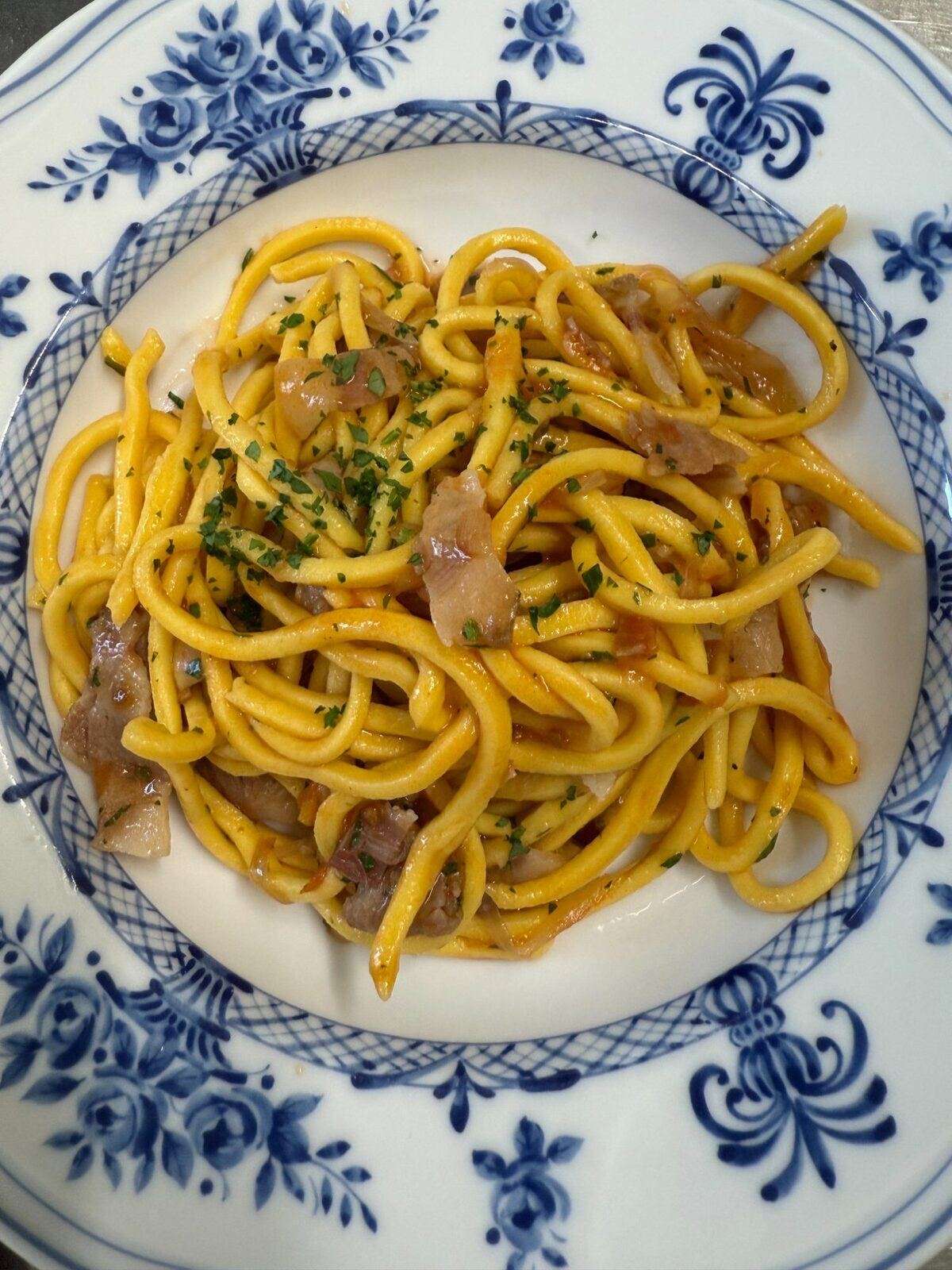
Romagnola Recipes from Osteria dalla Zabariona — Ravenna
The Romagnola recipes of Osteria dalla Zabariona are the result of years of research among the elderly azdore of the Ravenna countryside, historical archives and small producers. Every Romagnola recipe you find here is prepared with ingredients from the local territory and follows the contadina tradition of Romagna. Discover authentic Romagnola recipes that have almost disappeared — and find out how we bring them back to life at Zabariona.
On Settesere — Le Vie del Gusto, the historic Romagnol weekly, every month we tell the story of a traditional recipe: how it was made in the old days, where the name comes from, why certain ingredients matter, how we prepare it today at the Zabariona. A growing little encyclopaedia of the nearly‑forgotten recipes of Romagna.
The tradition behind Romagnola recipes
Every Romagnola recipe at the Zabariona has a story rooted in the territory of Ravenna and the broader Romagna region. These are not restaurant inventions — they are dishes researched by Andrea Rondinelli from the oral tradition of the azdore, the Romagnola housewives who kept the culinary memory of generations alive through gesture, smell and season. Passatelli in broth made from a Romagna hen, cappelletti filled with cheese and slow-cooked meats, curzul dressed with Mora Romagnola guanciale — each recipe follows the same principle: local ingredients, honest technique, no shortcuts.
The Romagnola recipes published here come from the Zabariona’s collaboration with Settesere — Le Vie del Gusto, the historic Romagnola food magazine, where Andrea writes about the dishes he researches and cooks. They are practical recipes written for home cooks, with the same philosophy applied in the restaurant menu: seasonal ingredients, autochthonous breeds, short supply chains. If you want to understand the context behind these dishes, read about the Romagnola cuisine of the Zabariona — the traditions, the breeds, the producers.
Below you will find the full list of Romagnola recipes from the Zabariona archive, from winter pig-butchering dishes to Carnival sweets, from the eel risotto of the Po Delta to the curzul of Faenza. Each recipe links to a full article with ingredients, method and the cultural history of the dish.
-
March 2026 · Settesere
Seasonal cooking — when the calendar dictates the menu
The pig, winter and its flavours at home
Monkfish liver, Romagnol style
Comacchio‑style eel risotto — the Po Delta on the plate
Romagnol fried artichokes with mint sauce
Castagnole romagnole — the Carnival sweet
Christmas dinner the Zabariona way
Romagnol pancotto
Savor — the preserve of Romagna
Curzul with poveracce (clams)
Wild mussels from Marina di Ravenna in guazzetto
Curzul with Mora Romagnola guanciale and PGI shallot
Urciòn — the Cesena recipe
Sucialesta — polenta gnocchi with beans and Mora Romagnola lard
Curzul with mutton ragù — the historic Faenza recipe
Seasonal Romagnola recipes: how the calendar shapes the dish
In Romagna, the kitchen has always followed the agricultural calendar. Autumn brings the pig-butchering season — a community ritual described in the recipe for Romagnola pork lard and braised meats that have sustained families through winter for centuries. Winter is the time of long broths, cappelletti, and passatelli — warming Romagnola recipes that require patience and technique. Spring arrives with wild herbs from the fields around Ravenna, artichokes, and the first asparagus. Summer brings the tomatoes, the grilled meats, and the light preparations that cool the table.
The autochthonous breeds central to many Romagnola recipes at the Zabariona — Mora Romagnola pig and the Romagna hen — are native to this territory and have been at risk of extinction. Recovering these breeds is part of a broader effort to preserve not just ingredients but the cultural knowledge attached to them. A Mora Romagnola guanciale is not simply cured pork cheek: it carries a specific flavour memory, a specific fat structure, a specific connection to the Padana plain that no commercial breed can replicate. These are the ingredients that make Romagnola recipes irreplaceable.
All the recipes
Open each recipe for its ingredients, method and place in Romagna food culture.
- Cappelletti with Mora Romagnola ragù — the Zabariona recipe
- Passatelli in broth — a traditional Romagna recipe
- Sucialesta — Romagna polenta gnocchi with beans
- Curzul — rustic Romagna pasta with shallot and Mora Romagnola
- Wild herb frittata — a spring recipe from Romagna
- Curzul with mutton ragù — the Faenza winter recipe
- Comacchio eel risotto — Andrea Rondinelli’s recipe
- Urciôn — Romagna pasta filled with wild herbs
- Crescioni with poppy greens — a Romagna griddle recipe
- Romagna savor — grape must and autumn fruit preserve
- Pumpkin and potato tortelli with white Mora Romagnola ragù
- Seafood passatelli in pandora fish broth
- Romagna fried artichokes with mint sauce
Keep exploring
 Stories to explore
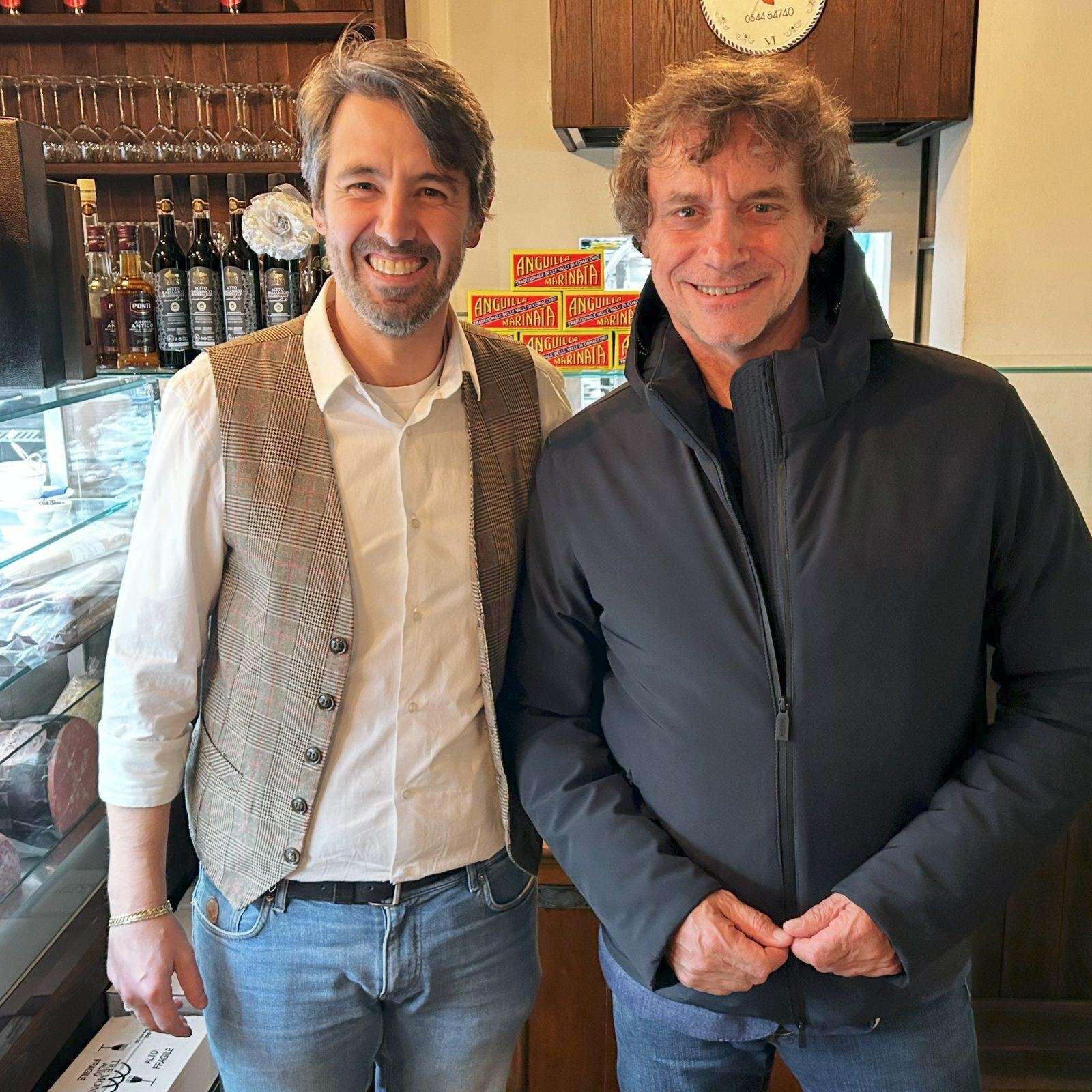
Distinguished guests of the Zabariona
People from the world of culture, entertainment and food who chose our osteria: Carlo Petrini, Alberto Angela, Gianni Morandi, Stefano Accorsi.
 Stories to explore
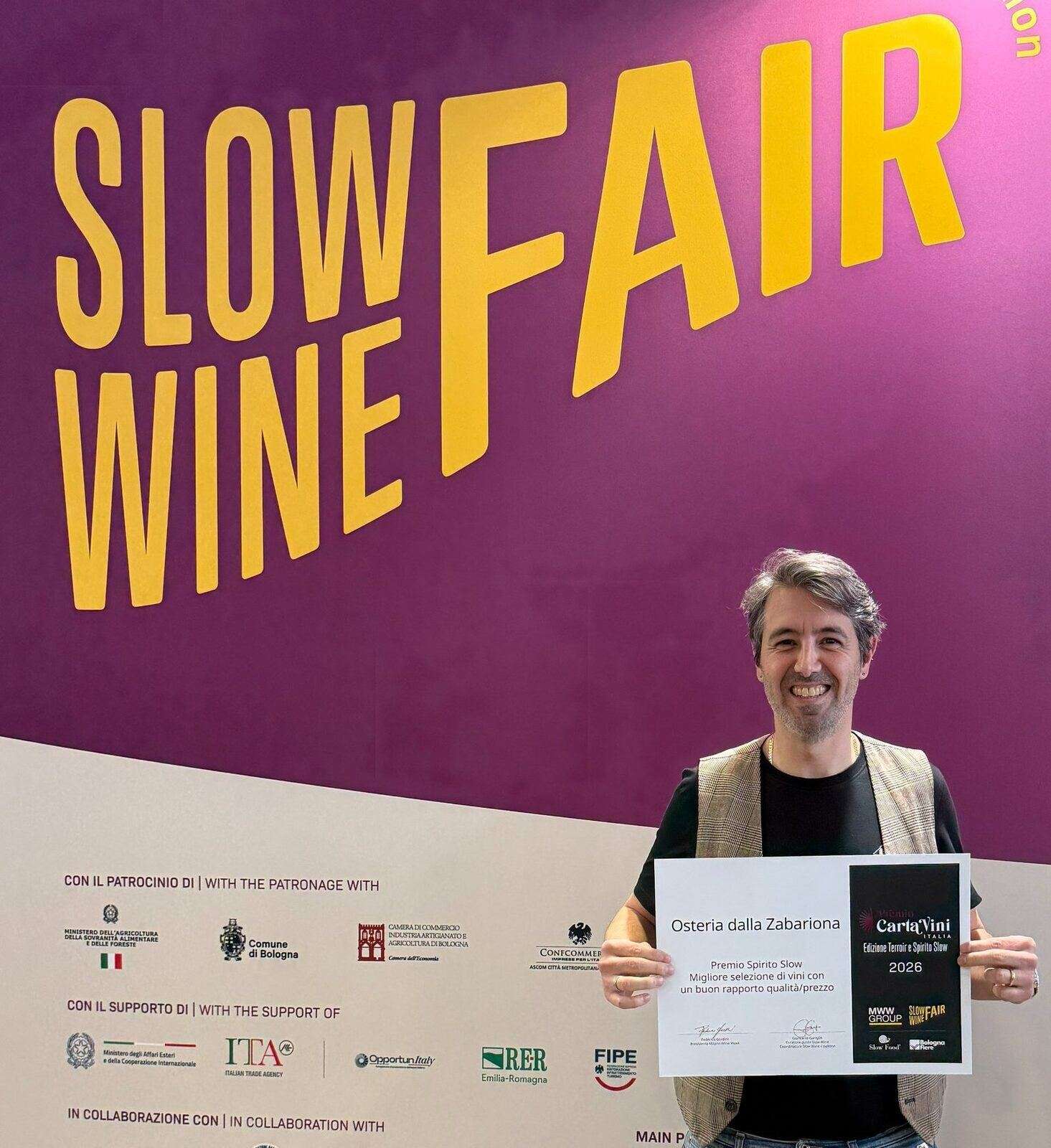
Press — Zabariona in the media
Articles, awards and mentions of Osteria dalla Zabariona from 2021 to today: Slow Food, Gambero Rosso, Corriere Romagna, Resto del Carlino and others.
 Stories to explore
Awards and recognition — Osteria dalla Zabariona
The guides and organisations that have recognised the Zabariona’s work on Romagna cuisine, responsible sourcing and artisan wine.